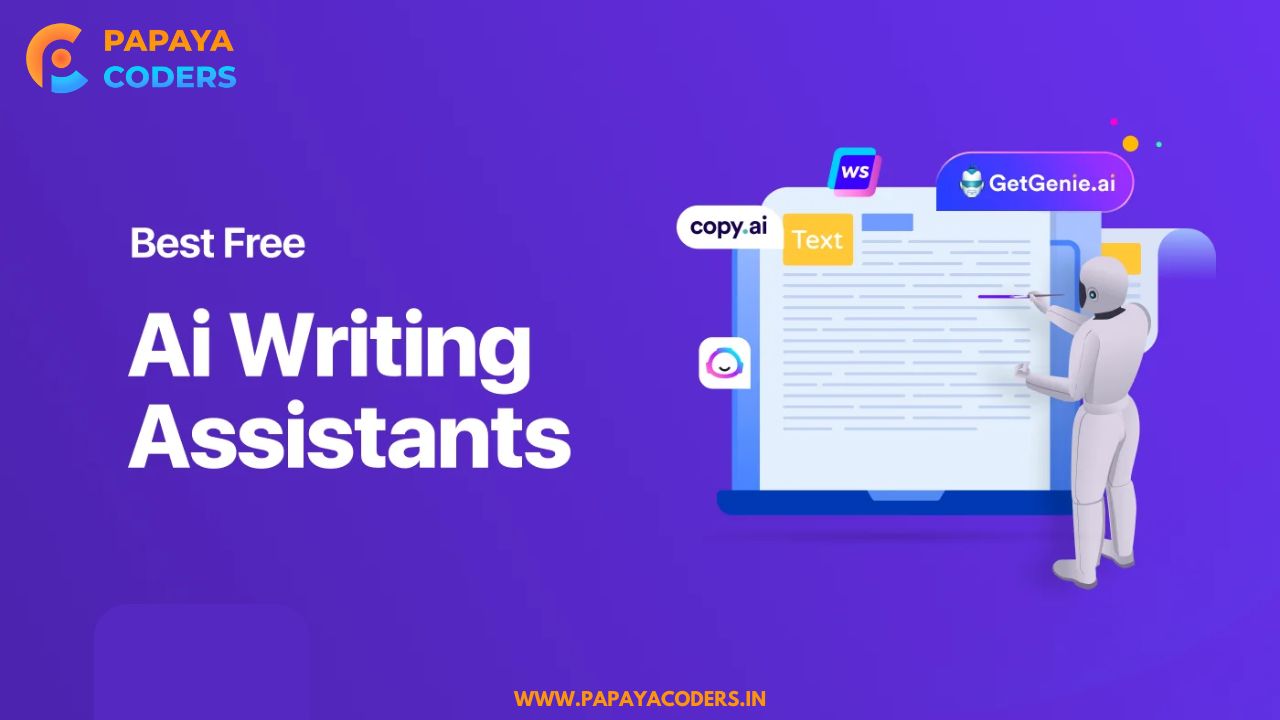
You sit there staring at that blank page, cursor blinking mockingly while deadlines loom overhead. Writing feels harder every day, and you wonder if there’s a better way to tackle those overwhelming tasks. AI writing assistants offer exactly what you need: smart tools that help create content faster while maintaining quality standards.
These digital helpers have changed how people approach writing completely. They provide support for everything from simple emails to complex reports without requiring advanced technical skills from users.
Understanding AI Writing Technology
AI writing assistants use machine learning algorithms to understand human language patterns naturally. These tools analyze billions of words to learn how people write across different contexts and styles effectively.
The technology works by processing your input prompt and generating relevant responses based on its training data. Unlike basic spell checkers, these systems understand context, tone, and writing objectives thoroughly.
Modern AI writing tools can:
• Generate creative content ideas quickly
• Write first drafts of articles
• Edit existing text for clarity
• Adapt tone for different audiences
These capabilities make them valuable allies for writers at every skill level.
Key Benefits for New Users
AI writing assistants save tremendous amounts of time during the content creation process daily. Instead of spending hours crafting sentences from scratch, you can focus on refining ideas and improving overall structure effectively.
These tools help overcome writer’s block by providing fresh perspectives when creativity stalls unexpectedly. They suggest alternative phrasings, new angles, and different approaches to presenting your ideas clearly.
Cost efficiency represents another major advantage worth considering seriously. Many AI writing tools offer affordable subscription plans that cost less than hiring professional writers for projects regularly.
Quality consistency becomes achievable when using these intelligent systems properly. They maintain professional standards across all content while helping you develop better writing habits over time.
Read also:-
Popular AI Writing Platforms
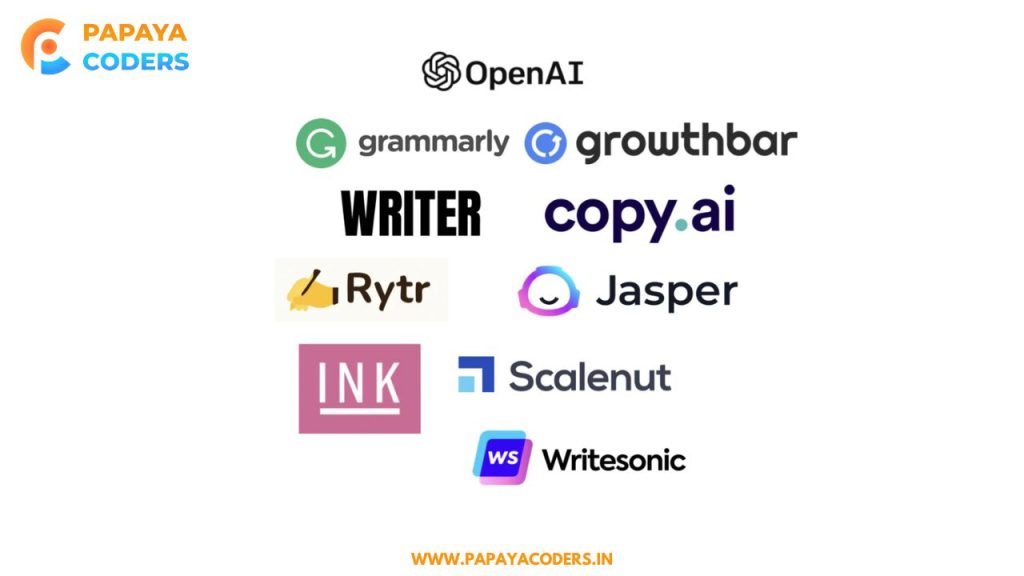
ChatGPT leads the market with its conversational interface that feels natural and intuitive for beginners everywhere. You simply type requests in plain English, and it responds with helpful suggestions immediately.
Claude excels at longer-form content creation with strong analytical capabilities built into its core design. This platform understands complex instructions and maintains context throughout extended conversations effectively.
Grammarly combines traditional grammar checking with AI writing assistance for comprehensive support during editing phases. Its browser extension works seamlessly across different websites and applications you use daily.
Jasper targets business users with templates designed for marketing copy, social media posts, and email campaigns specifically. The platform offers industry-specific features that adapt to your business needs automatically.
Getting Started: First Steps
Begin by defining clear objectives for your AI writing assistant usage patterns going forward. Consider what types of content you create most frequently and which tasks consume the most time currently.
Start with simple projects like email responses or social media captions before tackling complex documents. This approach helps you understand how these tools work best within your workflow naturally.
Experiment with different prompt styles to discover what produces the most useful results consistently. Be specific about your requirements, including desired length, tone, and target audience details clearly.
Most platforms offer free trials, so test multiple options before committing to paid subscriptions long-term. Each tool has unique strengths that might align better with your specific needs and preferences.
Crafting Effective Prompts
Your input quality directly affects the output you receive from AI writing assistants every single time. Provide context, specify desired outcomes, and include relevant details about your target audience clearly.
Instead of saying “write about dogs,” try “write a 300-word article about dog training tips for first-time owners.” This specificity helps the AI understand exactly what you need immediately.
Include tone instructions when necessary, such as “write in a professional yet friendly voice” or “use casual language appropriate for teenagers.” These details shape the final output significantly.
Break complex requests into smaller parts when working on longer pieces efficiently. This approach maintains quality while making the editing process more manageable throughout development phases.
Common Mistakes to Avoid
Never rely solely on AI writing tools without reviewing and editing their output carefully afterward. These systems create excellent starting points but require human oversight for accuracy and appropriateness always.
Avoid using generated content without adding your personal voice and unique insights throughout. Readers value authentic perspectives that only human writers can provide consistently.
Don’t ignore fact-checking responsibilities when using these tools for research or informational content creation. AI writing assistants might generate plausible-sounding information that requires verification before publication.
Resist the temptation to publish first drafts immediately without proper revision cycles. Even AI-generated content benefits from multiple editing rounds to achieve professional standards.
Making AI Work for You
AI writing assistants function best as collaborative partners rather than complete replacements for human creativity and judgment. Use them to enhance your natural abilities while maintaining your unique writing voice.
Set realistic expectations about what these tools can accomplish within your specific use cases. They excel at generating ideas, improving clarity, and speeding up first drafts significantly.
Develop a consistent workflow that incorporates AI assistance at appropriate stages of your writing process, smoothly. This might involve using AI for brainstorming, drafting, or editing phases, depending on your needs.
Read also:-
Final Words:-
Keep learning about new features and capabilities as these platforms continue evolving rapidly. Regular updates often include improved functionality that could benefit your writing practice substantially.
AI writing assistants represent powerful allies in your content creation journey moving forward. They offer practical solutions for common writing challenges while helping you develop stronger skills over time.
Start with simple tasks, experiment with different approaches, and gradually integrate these tools into your regular writing routine. With practice and patience, you’ll discover how AI-powered assistance can transform your writing experience from a frustrating struggle into productive collaboration.