
The short answer to it is no. Yes, there might be some job listings that require a degree as a preference, but many others do not require it and focus merely on skills, certifications, and hands-on experience.
What Is Digital Marketing?
Digital marketing encompasses the use of online channels, including websites, social media, search engines, and more, to promote products and services and establish connections with the target audience.
Key skills required to become a digital marketer include a mix of creative and technical abilities, such as SEO, content creation, data analysis, social media management, and pay-per-click advertising.
Digital marketing jobs can be categorized into various roles like search engine optimization specialist, social media manager, PPC specialist, Digital Marketing Manager, marketing Manager, Email marketing Specialist, Marketing Analyst, ecommerce manager, and Influencer marketing specialist. With the rise of AI, many other digital marketing jobs have been created, and you can choose your career path in any of them.
Do You Really Need a Degree for Digital Marketing?
Digital marketing is a skill-driven industry, not a degree-driven industry. It emphasizes practical experience and hands-on experience over formal education.
Since digital marketing landscapes evolves rapidly; therefore, a candidate is required to have updated skills like SEO, Data Analysis and should know the latest algorithms through certifications and courses. The real work projects will be more valuable compared to the university curriculum when it comes to the digital marketing industry.
A degree is not necessary for entry-level positions, but it can aid in career advancement and leadership roles. A degree is helpful in gaining real knowledge and insights regarding marketing principles, business context, and strategy.
Additionally, if you want to pursue your career in positions like digital marketing manager, then a degree like an MBA can provide the required leadership and analytical skills. A degree is helpful in building a strong foundation, developing strategic and leadership skills, and improving job prospects, among other benefits.
Skills That Matter More Than a Degree
Some of the key digital marketing skills are:

SEO & Content Writing
Search engine optimization (SEO) involves enhancing a website’s visibility in organic search engine results.
Social Media Marketing
An individual is required to craft and execute social media marketing campaigns to build relationships with customers. It is a vital skill to nurture skills with the customers so that better relations can be developed.
Paid Ads & Analytics
The skill involves running and optimizing paid campaigns to get quick results. PPC can be conducted on various platforms, including social media and Google Ads.
Tools Every Marketer Should Know
A digital marketer should be familiar with a range of tools for SEO and analytics, including Ahrefs, SEMrush, and Google Analytics. Other tools they should be familiar with include Hootsuite or Buffer for social media management, and Mailchimp for easy social media management.
There are numerous tools available for analytics, social media, content creation, email marketing, project management, and paid advertising that can make your job easier and more efficient, allowing you to achieve great outcomes
Can You Learn Digital Marketing Without College?
Yes, you can learn digital marketing without a college degree by combining online courses, practical experience, and a strong portfolio.
Online Courses & Certifications
You should earn certifications in specific areas, such as Google Ads or HubSpot, to validate your skills. You can develop in-demand skills like data analysis, content creation, SEO, and social media marketing.
Free Learning Resources for Beginners
You can look for opportunities to apply what you learn through internships and freelance projects. Later, you can generate a portfolio of real-world work to demonstrate your skills.
Importance of Practical Experience
After obtaining certification and gaining practical experience, you should highlight both your certification and practical experience. You can also highlight your transferable skills from previous roles, such as communication and social media management. Since digital marketing pays more attention to practical experience, you can easily find a perfect opportunity in the field.
Jobs You Can Get Without a Degree
SEO Specialist
An SEO specialist is a digital marketing professional who optimizes a website to enhance its visibility and ranking on search engine results pages. The purpose is to increase relevant traffic and brand awareness by improving technical skills, conducting technical audits, analyzing content, and building links.
Social Media Manager
An individual can become a social media manager without having a degree. The job involves managing the social media presence of a brand by creating content that fosters increased engagement.
PPC Expert
An individual can become a PPC expert by managing paid ad campaigns on various platforms, such as social media, Meta, and Google.
Content Strategist
The job position requires creating content strategically by writing blog posts and website copy to provide information to potential customers who are looking for it.
When Having a Degree Helps in Digital Marketing
Corporate Roles & Higher Positions
You can secure jobs at the corporate level or in higher positions when you hold a degree. A degree helps in understanding marketing principles, consumer behavior, and strategic planning.
Jobs That Prefer MBAs or Marketing Degrees
Advanced degrees, like an MBA, allow you to acquire the required skills to excel in leadership roles, data analysis, and other areas. It allows you to make high-level business decisions with ease.
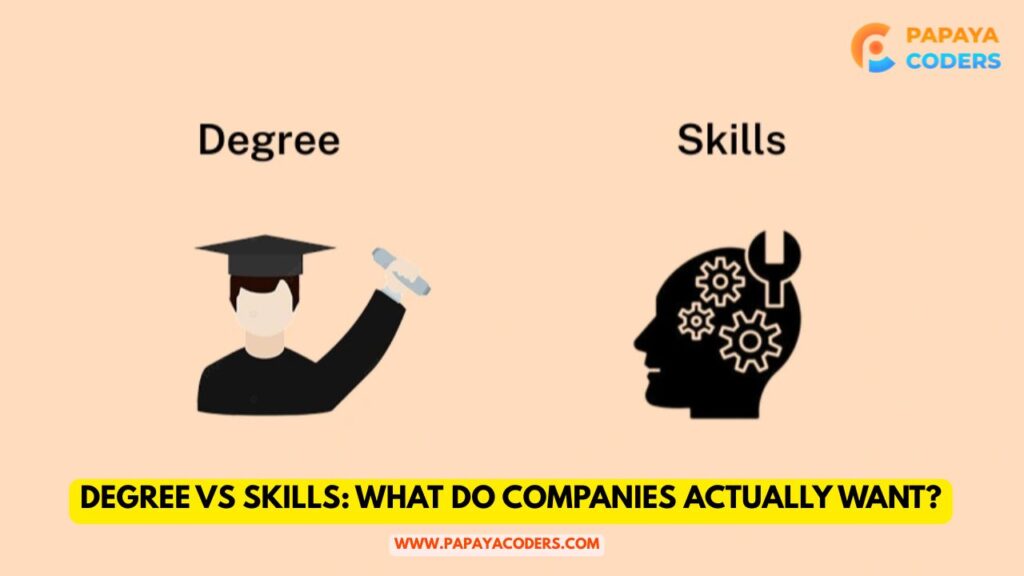
Degree vs Skills: What Do Companies Actually Want?
Real Hiring Trends in Digital Marketing
Real hiring trends in digital marketing are based on your skills and real-world projects. You need to demonstrate your value through measurable results. Creating a strong portfolio with clear outcomes can be valued highly.
Portfolio Over Paper Degrees
In the digital marketing field, a portfolio plays a more significant role than a paper degree. You need to create a portfolio by working on personal projects and volunteering for local businesses and other non-profit organisations. You will be able to secure good job opportunities if you can showcase your results instead of relying on paper degrees.
Read also:-
- Advantages and Disadvantages of Influencer Marketing in 2025
- Which statement regarding Digital Marketing Channels is the most correct?
Final Verdict: Do You Need a Degree?
No, you don’t need a degree to work as a digital marketer. Skills, work projects, and certifications are more valued than a degree in the digital marketing industry.
You simply need to focus on mastering key skills, such as SEO, content marketing, and data analytics. You can obtain certifications from Meta and HubSpot to demonstrate your proficiency in these skills. Seek internships and start freelancing to gain practical knowledge and experience.