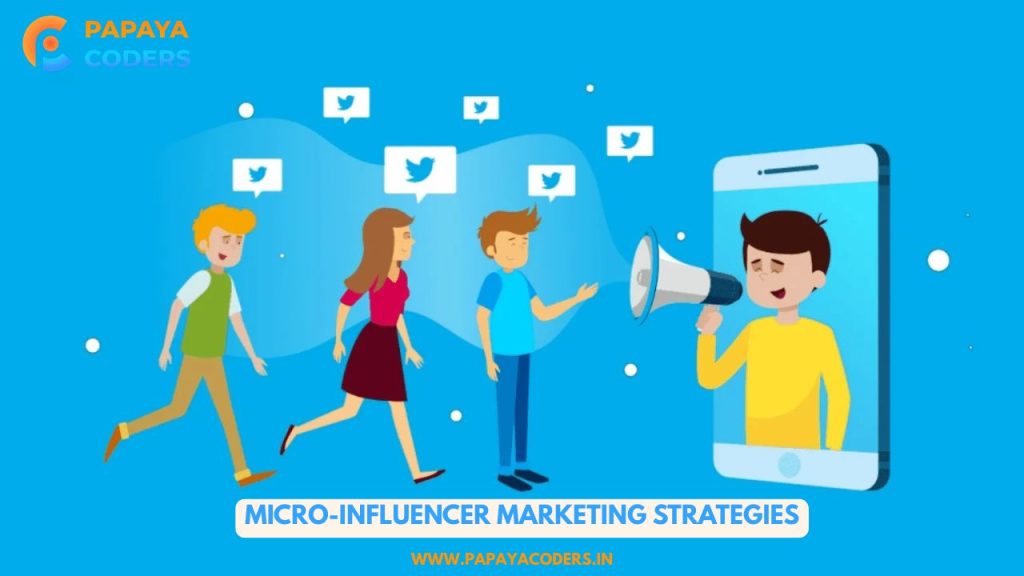
Micro-influencer marketing Strategies have evolved from a trend to an important marketing strategy. As we head into 2025, brands are moving down from high-cost celebrity signatures and shifting their focus toward micro—influencer generators with lower but largely engaged cults, generally ranging between 1,000 and 100,000 followers.
Why? Because consumers trust relatable voices more than polished announcements. Micro-influencers are seen as authentic, niche experts who have real influence over their followers’ opinions.
Micro-Influencer Marketing Strategies
To make the most of micro-influencer marketing in 2025, brands need to go beyond introductory collaboration and borrow strategic, data-driven, and creative approaches. Here are the stylish micro-influencer marketing strategies that are set to dominate in 2025.
Also read:-
- Best Digital Marketing Ideas for Handmade Online Product Sellers in 2025
- How Content Marketing Drives Sales: A Practical Guide {Update 2025}
1. Prioritize Engagement Rate Over Follower Count
In 2025, success isn’t about how many followers an influencer has; it’s about how engaged their followership is. A micro-influencer with 5,000 followers and a 10% engagement rate can frequently outperform someone with 50,000 followers and a 1% engagement rate.
Tools like Upfluence, Modash, and Heepsy can help dissect influencer engagement criteria, including likes, comments, and saves. Focus on generators whose followers laboriously respond to their content, ask questions, and trust their recommendations
2. Long-term alliances rather than one-off deals
One-off brand mentions seem fictitious and are easily ignored. To create coordinated messages and stronger brand identification, in 2025, companies are drawing conclusions for long-term partnerships with micro influencers.
Consistent sharing of your product or service by an influencer creates trust and familiarity. By providing chapter links, reduction canons, or indeed crafted products, think about transforming influencers into brand ministers. This long-term relationship produces great metamorphoses and real signatures.

3. Focus on an audience
It’s not only about collaborating with famous influencers; it’s about bone opportunities. Whose cult matches your goods or service exactly? As an example, a perfect match would be an influencer who sells vegan-friendly cosmetics in the zero-waste or vegan beauty niche.
Your message becomes more relevant and meaningful as their admirers were originally drawn to sustainability. Search for micro influencers that clearly communicate with your target audience, even if their follower count is on the smaller end.

4. Create material that appears native and story-driven.
Consumers will readily detect an ad that seems coerced in 2025. Native content that fits into their feed most efficiently comes from collaborating with influencers rather than dictating precisely what to say. This allows you to create fabricator-rested content that integrates your product into their life.
Day in the life reviews, unboxing movies, or fabricator carousels are mostly excellent formats. Spectators are more likely to connect with material that feels more genuine and unscripted.

5. Adopt a Multi-Platform Strategy( Beyond Instagram)
You can do influencer marketing through Instagram, Facebook, LinkedIn, and any other social media platform. 2025 is all about multiplatform visibility. On sites like TikTok, YouTube flicks, LinkedIn (for B2B), and even Pinterest, microinfluencers are booming.
Depending on your good or service, spread your influencer campaigns across several platforms. While YouTube is best for thorough reviews or tutorials, TikTok is excellent for rapid product demos and trends. This across-channel strategy improves your brand’s visibility and enables you to contact many cult corridors.
6. Collaborate with user-generated content (UGC) with micro influencers.
Another crucial tactic is to repurpose influencer content into user-generated material. Brands are more and more incorporating paid announcements using micro influencer content in 2025.
social media campaigns and evidence from websites. Obtain appropriate operating rights and convert influencer films, reviews, or images into hardwired UGC. It gives credibility and social justification without the feel of a conventional commercial. Cults also believe in UGC more, therefore leading to high click-through and conversion rates.

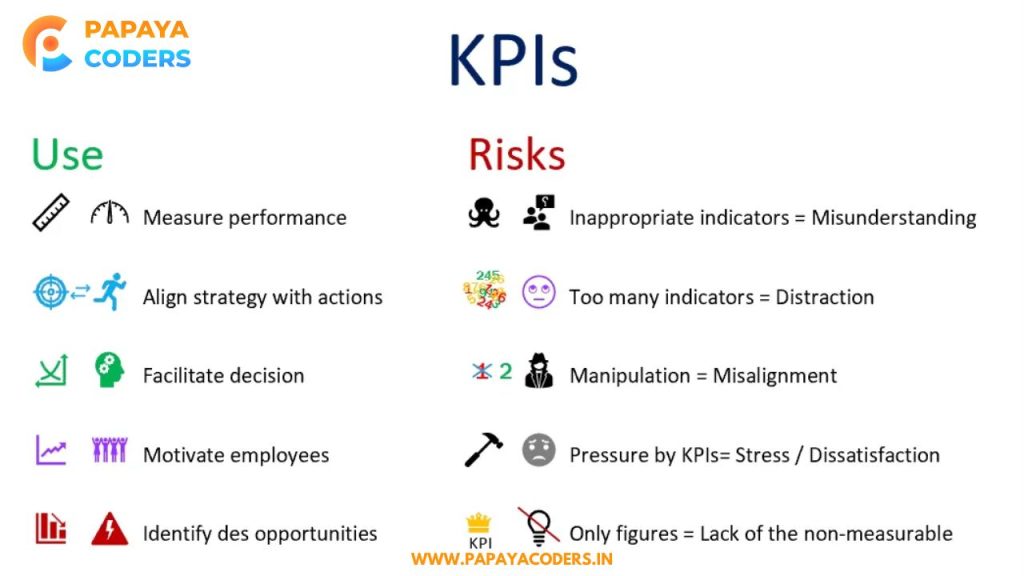
7. Evaluate Performance Using Defined KPIs
Set quantifiable KPIs to guarantee your influencer marketing sweats in 2025 produces results. These could include engagement rate, website business, deals metamorphoses, chapter law operation, or content saves. Track data from each collaboration and compare the ROI.
Platforms like Aspire, Traackr, and CreatorIQ offer robust analytics for managing influencer campaigns. Your performance is improving over time, so always practice your work, and day by day, you will feel your business growth.
Conclusion:-
Every aspect of microinfluencer marketing in 2025 is authenticity, connection, and strategic thinking. Brands that emphasize engagement, long-term relationships, fabricator, and data-backed opinions will see the voguish outcomes.
You may create marketing initiatives that not only look good but also convert well by using the trust that micro influencers have with their cult and enabling creative freedom. More mortal influencers are the approachable voices that will enable companies to capture hearts and devotion as the digital scene grows.