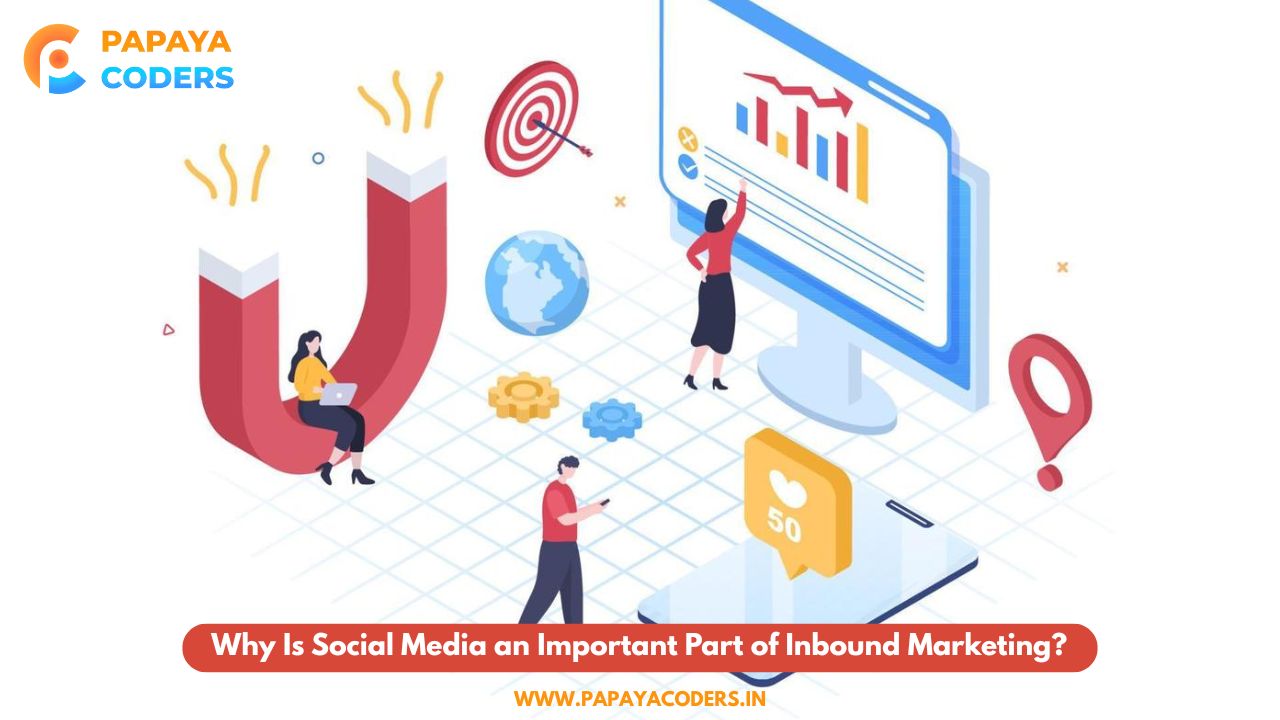
Social media is a great inbound marketing tool in today’s digital era. It allows businesses to attract, engage, and delight customers without interrupting them with annoying advertisements. Instead of going after customers, inbound marketing makes it so that you get found by customers, as well as social media being a huge help in this.
Let’s delve in to why social media is crucial to inbound marketing and how it contributes to business success.
What Is Inbound Marketing?
Inbound marketing is a strategy that focuses on creating valuable content and experiences tailored to your audience. It’s about helping people solve problems, building trust, and converting them into loyal customers.
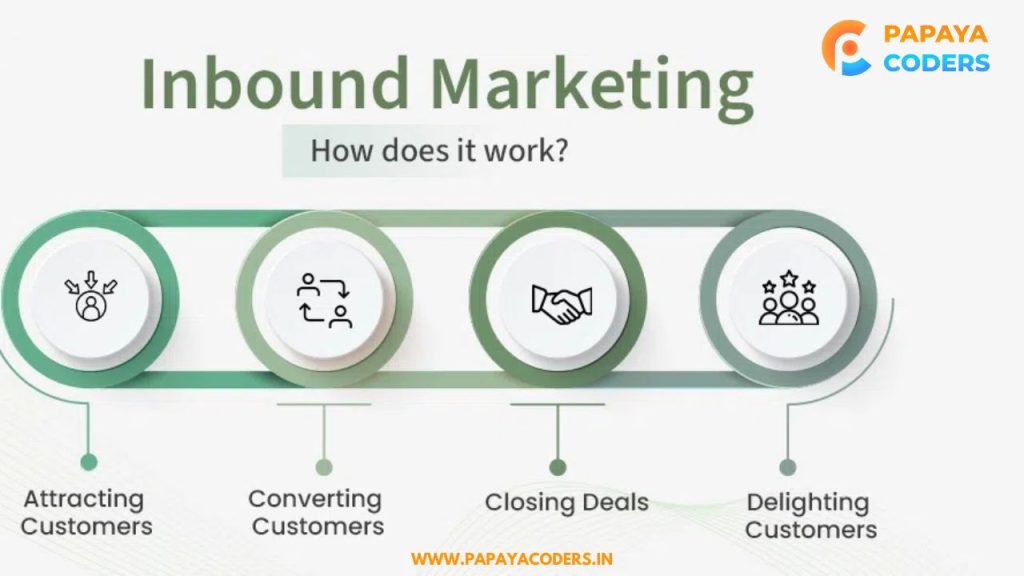
Inbound marketing includes:
- Blog posts
- SEO (Search Engine Optimization)
- Email marketing
- Social media
- Lead magnets (like ebooks, checklists, or free tools)
| Benefit | How It Helps Inbound Marketing |
|---|---|
| Content Promotion | Shares your blogs, videos, and resources |
| Brand Awareness | Builds trust and recognition |
| Targeted Website Traffic | Brings interested users to your site |
| Audience Engagement | Opens 2-way communication |
| Lead Generation | Captures emails and prospects |
| SEO Support | Boosts visibility and backlinks |
| Customer Delight | Keeps existing clients engaged |
How Social Media Supports Inbound Marketing
Social media fits perfectly into the inbound approach. Here’s how:
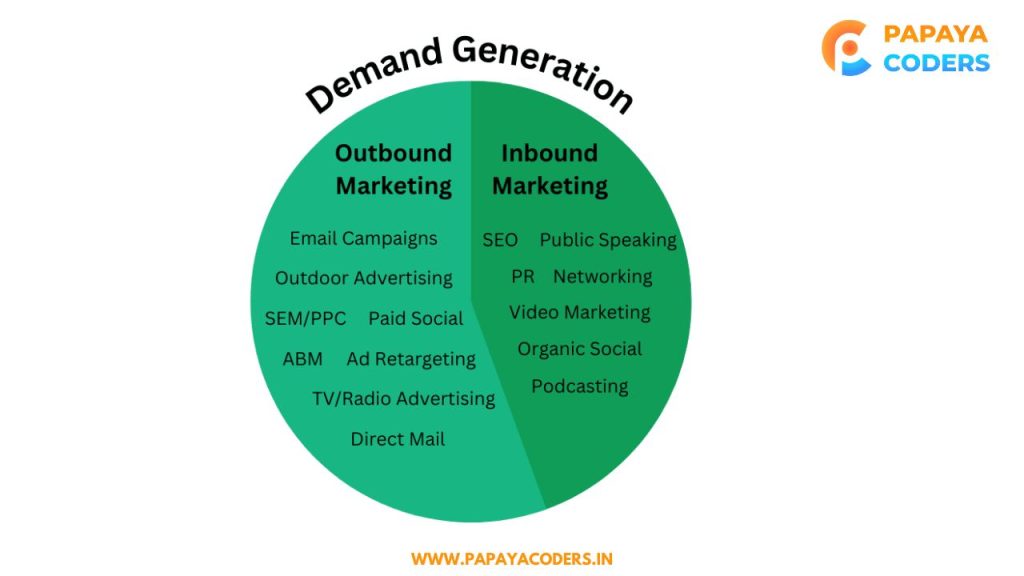
1. Boosts Content Visibility
You might be amazing at writing blog posts or producing helpful videos — but if no one is watching them, they’re not worth much. You can also turn to social media to share your content with the correct people.
You can use the following platforms — Facebook, Instagram, LinkedIn, X (Twitter), and TikTok — to:
- Post blog posts, infographics, videos
- Get shared as well as hashtagged to reach a broader audience
- Redirect the traffic back to your site
2. Builds Brand Awareness
“These give your brand a personality on social media. Pound regularly posting and engaging with followers and people start to understand and trust your brand.
This trust assists at all levels of the inbound funnel — awareness, consideration and decision.
3. Drives Targeted Traffic to Your Website
Every social post is a chance to bring people to your site. If you link to:
- Blog posts
- Product pages
- Free downloads
- Webinars or landing pages
…you’re sending interested visitors who are more likely to convert.
4. Encourages Engagement and Community Building
Inbound marketing is about building long-term relationships. Social media helps by allowing two-way communication.
You can:
- Respond to comments and messages
- Join relevant conversations
- Run polls, Q&As, or contests
- Ask for feedback
This engagement creates loyalty and gives you insights into what your audience needs.
5. Supports Lead Generation
Leads can be captured using social media by:
- Bringing awareness to lead magnets (such as free guides)
- Running ads to landing pages
- Offers live events/webinars
- Providing discounted rates or bonuses to persuade customers to sign up
6. Improves SEO Rankings (Indirectly)
What is certain - social media doesn’t have a direct impact on your SEO rankings, however it is a great asset on many levels:
- To Add more visibility and get more traffic to the content
- Building backlinks as others share your content
- Establishes brand authority and credibility
7. Delights Existing Customers
Inbound doesn’t stop after someone becomes a customer. Social media lets you keep in touch, offer support, and share updates or new offers.
Delighted customers often:
- Recommend your brand
- Share your posts
- Become repeat buyers
This turns them into brand advocates, a key part of long-term inbound success.
Final Thought
So why is social media such an important element in inbound marketing? Because it’s essential to engage your target audience, share great content, nurture trust and relationships, close leads and traffic, and make customers incredibly happy so they are loyal for life.
In summary, social media is the fuel that enables your inbound marketing strategy to rev its engine and help create that great experience for others to connect, engage, and spread the word about your brand.
Read also:-