
In the digital-first age, it’s no secret that every brand wants to be seen, heard, and trusted on the web. When there are millions of websites all competing for attention, the question every business professional should be asking is: “Is Search Engine Optimization Worth It?” The answer is yes, and in a big way — and here’s why.
What is Search Engine Optimization?
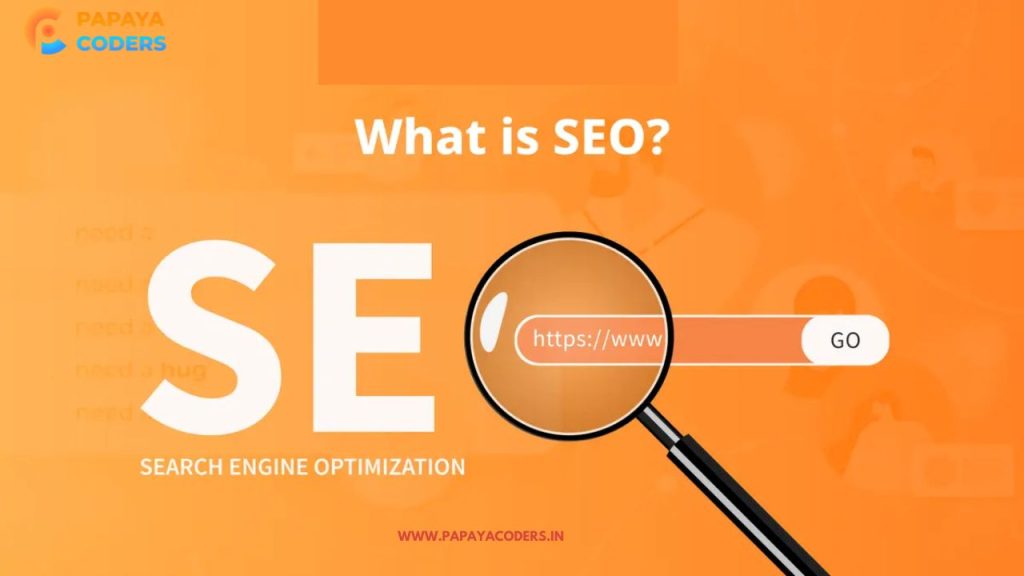
Search Engine Optimisation (SEO) is increasing the number and the quality of visitors to your website using search engines such as Google, Bing or Yahoo. The objective- To bring that unpaid (organic) traffic to your site and have your website rank higher for relevant keywords that your target audience is searching for.
Why Search Engine Optimization Still Matters in 2025
Search engines are still the top way people discover information on the web. Whether searching for a local restaurant, a product review, or tips for dog training, people defer to Google first.
SEO has matured with the evolution of algorithms. The days of keyword stuffing are over, and the focus is now on providing high-quality content, a great user experience, and establishing yourself as a market authority. SEO is one of the most sustainable, long-term, and cost-effective blooming marketing channels.
Read also:-
Benefits That Make Search Engine Optimization specialties Worthwhile
1. Cost-Effective Marketing
While paid ads turn off when the budget is depleted, with SEO, traffic continues to roll in over time. It does take a bit of investment of content and technical optimisation and link building upfront, but the return on investment compared to paid efforts in the long term absolutely dwarfs them.
2. Higher Credibility and Trust
Sites on the first page of search results are perceived to be somewhat trustworthy. Organic results are more clicked than ads on an average basis by users. The higher rank builds credibility and authority for your brand.
3. Improved User Experience
Modern SEO isn’t just about search engines — it’s about users. Mobile-friendly design, fast loading speed, and helpful content are all SEO factors that improve the overall user experience.
4. Targeted Traffic That Converts
SEO drives high-intent users — people actively searching for what you offer. This leads to better engagement, longer on-site time, and ultimately more conversions.
Search Engine Optimization specialties
| SEO Type | What It Means | Key Focus Areas |
|---|---|---|
| Ecommerce SEO | SEO for online stores | Product pages, category pages, reviews, images, internal links, schema markup |
| Enterprise SEO | SEO for very large websites or big companies | Handling 1M+ pages, working with large teams, slow implementation, big strategies |
| International SEO | SEO for global audiences and multiple languages | Multi-language sites, local search engines like Baidu, hreflang, localization |
| Local SEO | SEO for local businesses to appear in area-specific searches | Google Business Profile, reviews, maps, local listings |
| News SEO | SEO for news websites where speed and visibility in news sections is critical | Fast indexing, Google News/Top Stories, structured data for articles |
SEO is a Long Game, But Worth Playing
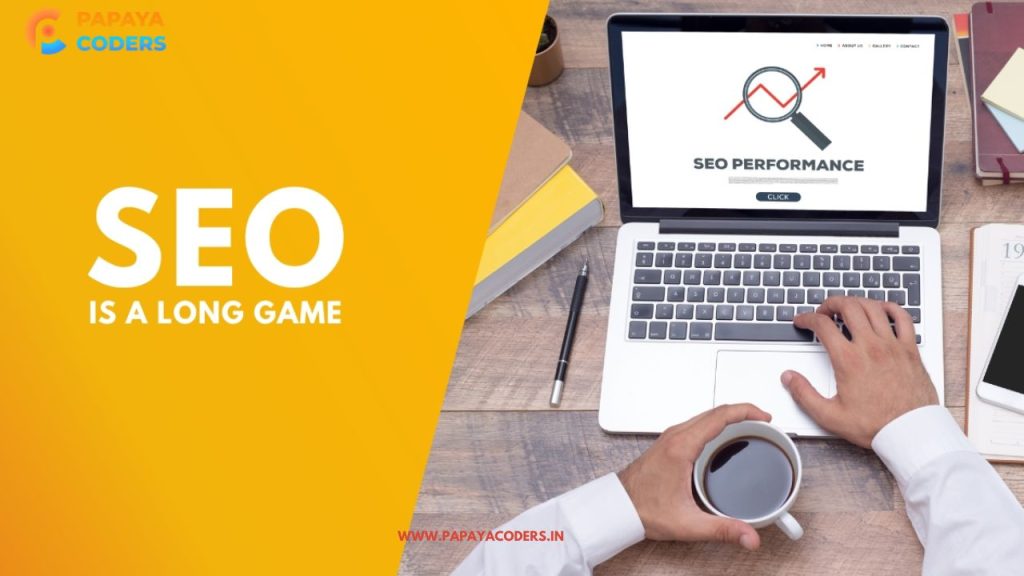
One of the most significant misnomers of SEO is that it is an instant miracle cure. You might have to wait 3–6 months —or more— before you notice significant changes. But once you get the rank, the momentum can continue to build, especially if you keep your content fresh and focused.
Final Word: Yes, SEO is 100% Worth It
When building a business with the long term in mind, few things are a better investment than SEO. It raises awareness, establishes trust, and generates sales without spending money on ad clicks.
In 2025 and beyond, businesses prioritising SEO will stand out and stay ahead in a highly competitive online space.